
5.9 Cummins Buyer’s Guide: Buy the Truck Around the Engine
A desirable 5.9 Cummins can still sit in a worn-out truck. Identify the generation, verify the repair history, and inspect the chassis before paying for the badge.
The engine starts, the familiar diesel clatter settles, and the seller mentions how long a 5.9 Cummins can last. That may be the moment to look at the cab mounts, steering, and transmission. The engine's reputation cannot pay for everything around it.
A good older Dodge can be a satisfying work truck. Buying one well means separating a sound, documented vehicle from an appealing engine in a tired chassis.
Know which 5.9 is in front of you
Cummins identifies the original 12-valve pickup engine, the later 24-valve version, and the move to common-rail injection beginning with model year 2003. Those changes matter when you discuss diagnosis, maintenance, and replacement parts.
Verify the VIN, model year, and engine identification. If a swap or conversion is part of the story, ask for documentation of the installed engine and supporting work. A title year alone may no longer describe what is under the hood.
Avoid paying for a supposed specification based solely on a badge or an online year chart. A shop familiar with older Cummins pickups can help establish what you are actually buying.
Inspect age before celebrating mileage
Look at the frame, crossmembers, spring hangers, cab mounts, brake and fuel lines, steering, and suspension. Check the bed supports and hitch installation. Body repairs and fresh undercoating deserve a closer look at what is underneath.
A truck advertised in Texas may have spent years elsewhere. Review title and ownership history and inspect the actual metal. TxDMV's Title Check resources can help research brands and history, but a report cannot judge rust or mechanical condition.
Make room in the inspection for ordinary things: door latches, seats, lights, HVAC, window operation, and wiring repairs. A truck you plan to drive every day needs more than a healthy long block.
Ask about the transmission without accepting shorthand
“Built automatic” and “new clutch” should lead to invoices. Find out what was replaced, who did the work, why it was needed, and the mileage. A parts list does not demonstrate how the assembly performs today.
Arrange a normal road test and have the shop assess cold and warm operation. Delayed engagement, shift flare, difficult gear selection, vibration, or noise should be investigated before you agree on a price. Do not assume a manual is automatically the cheaper repair risk.
Have the engine inspected as the engine it is
Observe a cold start and note smoke, leaks, idle behavior, and unusual noises. Let the technician choose fuel-system and engine-condition tests appropriate to the generation. A quick oil-cap demonstration is not a complete assessment of internal condition.
Ask about tuning, fuel-system changes, cooling repairs, and service history. Photographs of modified parts should prompt questions about installation and purpose, not an automatic increase in value. Check VIN-specific recall information, while recognizing the limits of a recall search on an older vehicle.
Price the first year, not just the drive home
Get estimates for immediate repairs and missing routine service. Decide whether you need a daily work vehicle, a backup tow rig, or a project; the same truck may make sense for one and not the others.
Browse Dodge diesel listings with that role in mind. A clean inspection, understandable records, and a realistic repair reserve are a better reason to buy than a promise of another half-million miles.
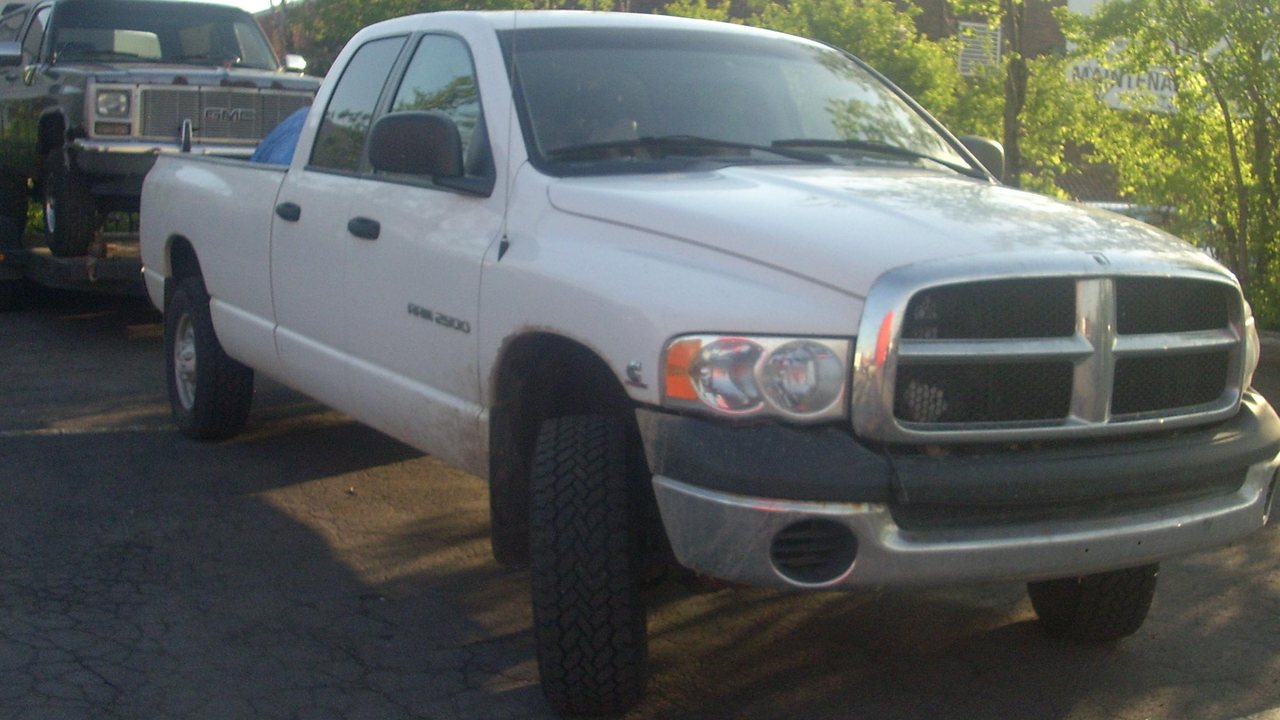
Cover: representative truck photograph; it does not identify the engine or condition of a vehicle offered for sale.
Evidence
Sources
Primary references used to verify the regulatory and technical details in this article.
- 1. Cummins: evolution of the 5.9L and 6.7LCummins Inc.
- 2. TxDMV Title CheckTexas Department of Motor Vehicles
- 3. NHTSA VIN recall lookupNHTSA
Inventory
Shop trucks from this story
Next steps