
Diesel Trucks Under $30,000: How to Avoid the Wrong Cheap Truck
Budget diesel trucks can be useful buys when records, rust, drivetrain condition, and immediate maintenance costs are clear.
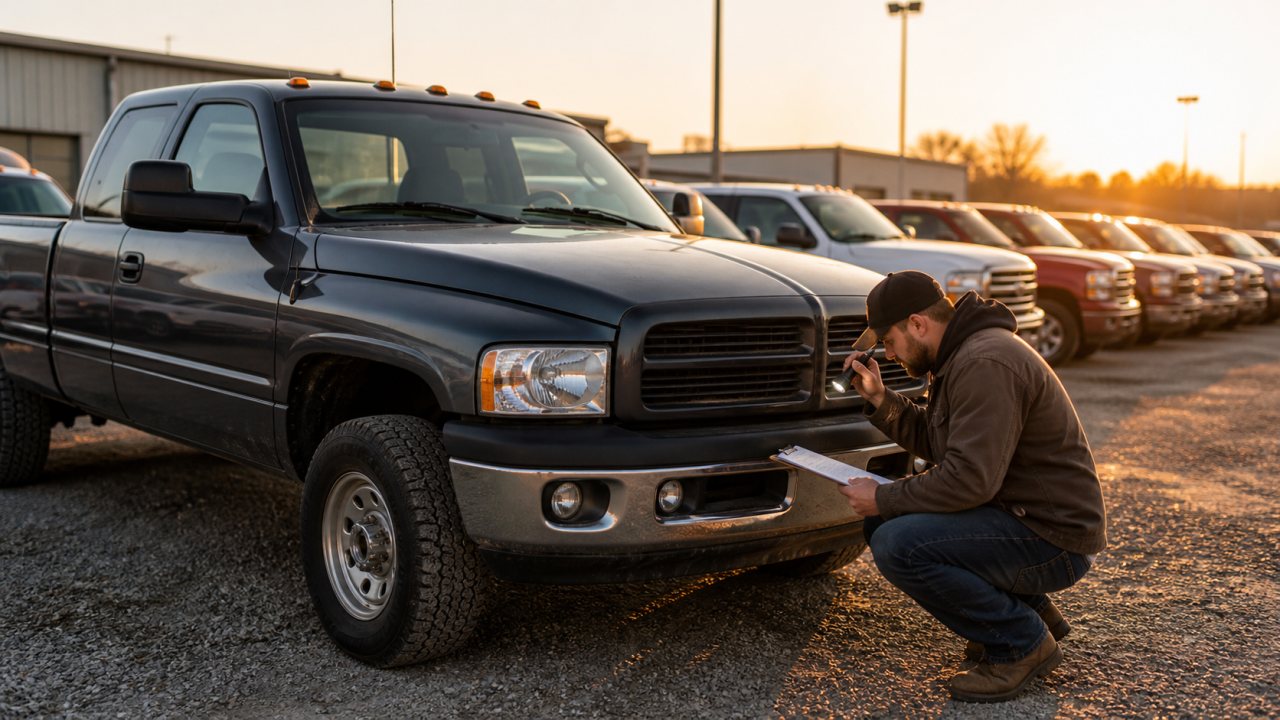
The cheapest diesel truck is rarely the cheapest truck to own. Under $30,000, the goal is not to find the newest badge or biggest lift. The goal is to avoid the truck that needs thousands of dollars immediately after purchase.
Start with records. Oil service, fuel filters, coolant, transmission service, differential service, brake work, batteries, and tires all matter. If the listing talks about wheels and tunes but says nothing about maintenance, slow down.
Rust is the second screen. Surface rust is common in many regions, but structural rust around the frame, cab mounts, crossmembers, spring hangers, brake lines, and hitch area can turn a good-looking truck into a bad buy. Ask for underside photos before driving across town.
Then inspect use. A budget diesel may have towed hard, idled for work, or lived in a fleet. Hitch hardware, bed holes, trailer wiring repairs, uneven tire wear, hot brakes, and transmission behavior all help tell the story.
Leave money for first-month maintenance. Fluids, filters, tires, brakes, front-end parts, batteries, and small leaks can quickly change the real price. A plain truck with records is often better than a modified truck with no history.
When comparing active listings, sort by the trucks with the fewest unanswered questions. A good budget diesel is not perfect. It is honest.
Before you contact a seller, write down the repairs you are willing to handle and the repairs that should end the conversation. Tires, batteries, filters, and brakes are normal budget items. Frame rust, slipping transmission behavior, coolant pressure, major electrical issues, and undocumented emissions changes should trigger a much deeper inspection. Cheap trucks are only good deals when the risk is visible.The cheapest diesel truck is rarely the cheapest truck to own. Under $30,000, the goal is not to find the newest badge or biggest lift. The goal is to avoid the truck that needs thousands of dollars immediately after purchase.
Start with records. Oil service, fuel filters, coolant, transmission service, differential service, brake work, batteries, and tires all matter. If the listing talks about wheels and tunes but says nothing about maintenance, slow down.
Rust is the second screen. Surface rust is common in many regions, but structural rust around the frame, cab mounts, crossmembers, spring hangers, brake lines, and hitch area can turn a good-looking truck into a bad buy. Ask for underside photos before driving across town.
Then inspect use. A budget diesel may have towed hard, idled for work, or lived in a fleet. Hitch hardware, bed holes, trailer wiring repairs, uneven tire wear, hot brakes, and transmission behavior all help tell the story.
Leave money for first-month maintenance. Fluids, filters, tires, brakes, front-end parts, batteries, and small leaks can quickly change the real price. A plain truck with records is often better than a modified truck with no history.
When comparing active listings, sort by the trucks with the fewest unanswered questions. A good budget diesel is not perfect. It is honest.
Inventory
Shop trucks from this story
Next steps