
Pre-Emissions Diesel Trucks: What Buyers Actually Trade Off
Older diesel trucks can be simpler, but age, rust, transmission wear, and missing records still decide whether the deal is good.
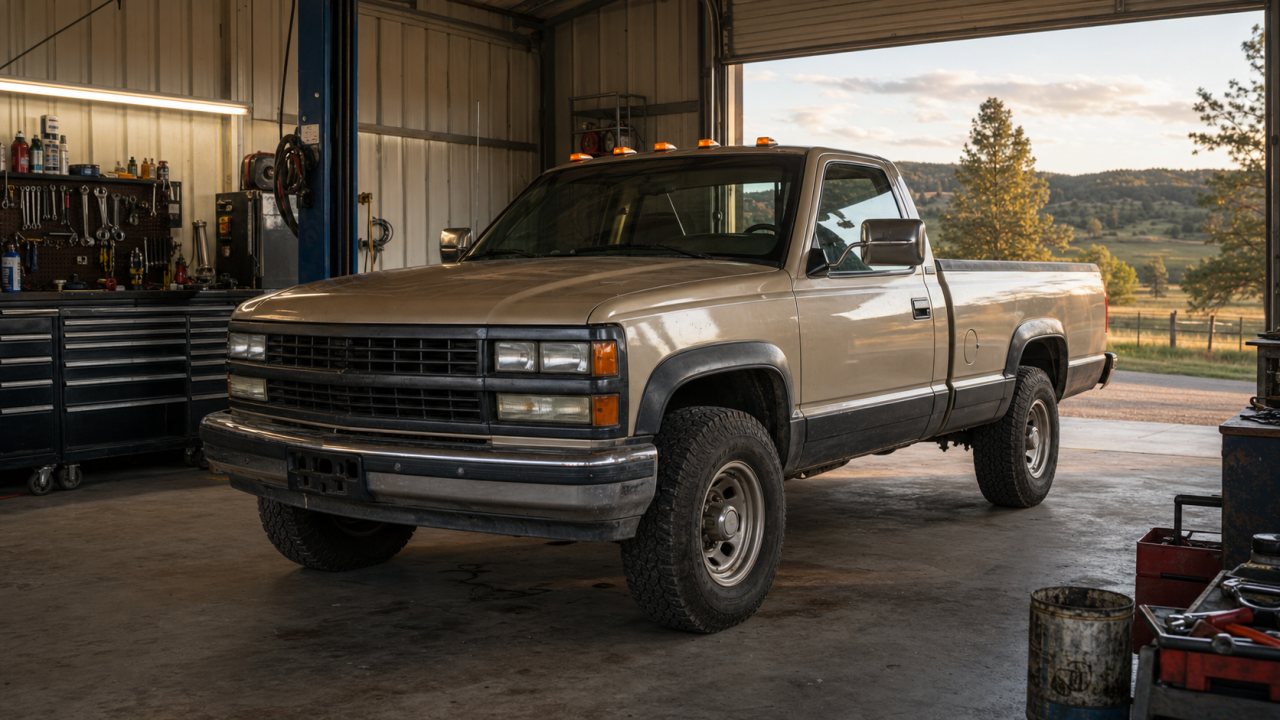
Pre-emissions diesel trucks attract buyers because they often feel simpler. There is less late-model emissions hardware to diagnose, fewer sensors in the ownership story, and many older engines have strong reputations. That does not make every older diesel a smart buy.
The tradeoff is age. A truck built before modern emissions systems can now have rust, worn steering, tired suspension, old wiring, tired interiors, leaks, and transmission history that matters more than the engine badge. A clean older truck with records can be a useful tool. A rusty truck with missing maintenance can become expensive fast.
Start with the underside. Frame rails, cab mounts, crossmembers, bed supports, brake lines, fuel lines, spring hangers, and hitch areas tell the truth about climate and use. Then check cold starts, blow-by, oil leaks, coolant condition, transmission behavior, axle noise, brake condition, and tire age.
Do not pay a premium just because a listing says pre-emissions. Pay for documentation, condition, clean title history, and a seller who can explain the truck's use. If the truck has tuning, heavy towing history, or a swapped drivetrain, the paperwork needs to be even stronger.
Use older diesel listings as a starting point, then compare them against newer trucks that may cost more up front but need less immediate repair work. The best pre-emissions buy is the truck that is simple and cared for, not merely old.
A useful pre-call screen is simple: ask for underside photos, cold-start video, service records, title status, and a clear list of modifications. If the seller cannot provide those basics, the truck may still be worth seeing, but it should not be priced like a premium example. Build a short comparison set with similar year, mileage, region, and drivetrain so the asking price has context.Pre-emissions diesel trucks attract buyers because they often feel simpler. There is less late-model emissions hardware to diagnose, fewer sensors in the ownership story, and many older engines have strong reputations. That does not make every older diesel a smart buy.
The tradeoff is age. A truck built before modern emissions systems can now have rust, worn steering, tired suspension, old wiring, tired interiors, leaks, and transmission history that matters more than the engine badge. A clean older truck with records can be a useful tool. A rusty truck with missing maintenance can become expensive fast.
Start with the underside. Frame rails, cab mounts, crossmembers, bed supports, brake lines, fuel lines, spring hangers, and hitch areas tell the truth about climate and use. Then check cold starts, blow-by, oil leaks, coolant condition, transmission behavior, axle noise, brake condition, and tire age.
Do not pay a premium just because a listing says pre-emissions. Pay for documentation, condition, clean title history, and a seller who can explain the truck's use. If the truck has tuning, heavy towing history, or a swapped drivetrain, the paperwork needs to be even stronger.
Use older diesel listings as a starting point, then compare them against newer trucks that may cost more up front but need less immediate repair work. The best pre-emissions buy is the truck that is simple and cared for, not merely old.
Inventory
Shop trucks from this story
Next steps