
5.9 Cummins Problems: Separate Engine Issues From Truck Age
A 5.9 Cummins diagnosis starts with the engine generation and the actual symptom. Check starting, fuel-system history, cooling, and the aging truck around it.
An older Cummins can have two problems at once: a real mechanical symptom and a confident explanation that has never been tested. The seller calls a hard start normal. An online reply blames the injection pump. Neither answer tells you what is wrong with that truck.
Start by identifying the engine and describing the behavior precisely. The 5.9 pickup family includes different fuel systems, so a repair story from one generation may not apply to another.
Make the symptom specific
“Hard to start” is a beginning. “Cranks longer after sitting overnight, then restarts normally when warm” gives the technician something useful to investigate. Record when the symptom occurs, how long it has been present, and what work happened just before it began.
Ask for starting-system, fuel-system, and engine-condition checks appropriate to the installed engine. Do not turn a slow crank or an idle complaint into an injector purchase without a diagnosis. On a swapped truck, make sure the shop knows what changed.
Fuel-system history needs the reason for the repair
Lift pumps, injection pumps, and injectors may appear in an old truck's invoices. Read why they were replaced and whether the problem was resolved. A replacement part with a familiar name is not proof that the entire system has been checked.
If the seller mentions pressure readings, ask when, where, and under which conditions they were taken. A gauge photograph without context is weak evidence. Have the shop determine which measurements are relevant to that generation.
Smoke and crankcase vapor are observations
Tell the technician when smoke appears: at startup, under acceleration, or after warm-up. Include any oil consumption, coolant loss, warning behavior, or recent repairs. Color alone does not identify a failed component.
The same restraint applies to an oil-cap test. It may attract attention in a sales video, but it cannot substitute for proper testing of engine condition and crankcase ventilation. Do not accept a confident health certificate from a brief demonstration.
The rest of the truck can be the bigger bill
Wandering steering, vibration, brake concerns, leaks, or unusual transmission behavior deserve their own inspection. A strong engine does not cancel an unsafe chassis. Older wiring modifications and undocumented accessory installations can also complicate diagnosis.
Ask a shop to distinguish wear that can be planned for from defects needing immediate repair. Surface appearance is not enough to assess structural corrosion; inspect mounting points, lines, and the frame properly.
What does a useful repair estimate say?
It should identify the confirmed fault, explain the proposed work, and list anything still uncertain. For an intermittent complaint, the next sensible step may be more testing rather than replacement. Get that scope in writing before using the estimate to negotiate.
Compare the estimate with the truck's role. A backup vehicle can tolerate downtime that a daily income-producing truck cannot. Include transport, inspection, and a repair reserve in your decision instead of spending the entire budget on the asking price.
Check recall information and ask a dealer about the history available for the VIN, but do not assume a clean search clears every older campaign or present defect. Use the 5.9 Cummins buyer's guide for the full purchase checklist. A durable engine deserves a careful diagnosis, not an exemption from one.
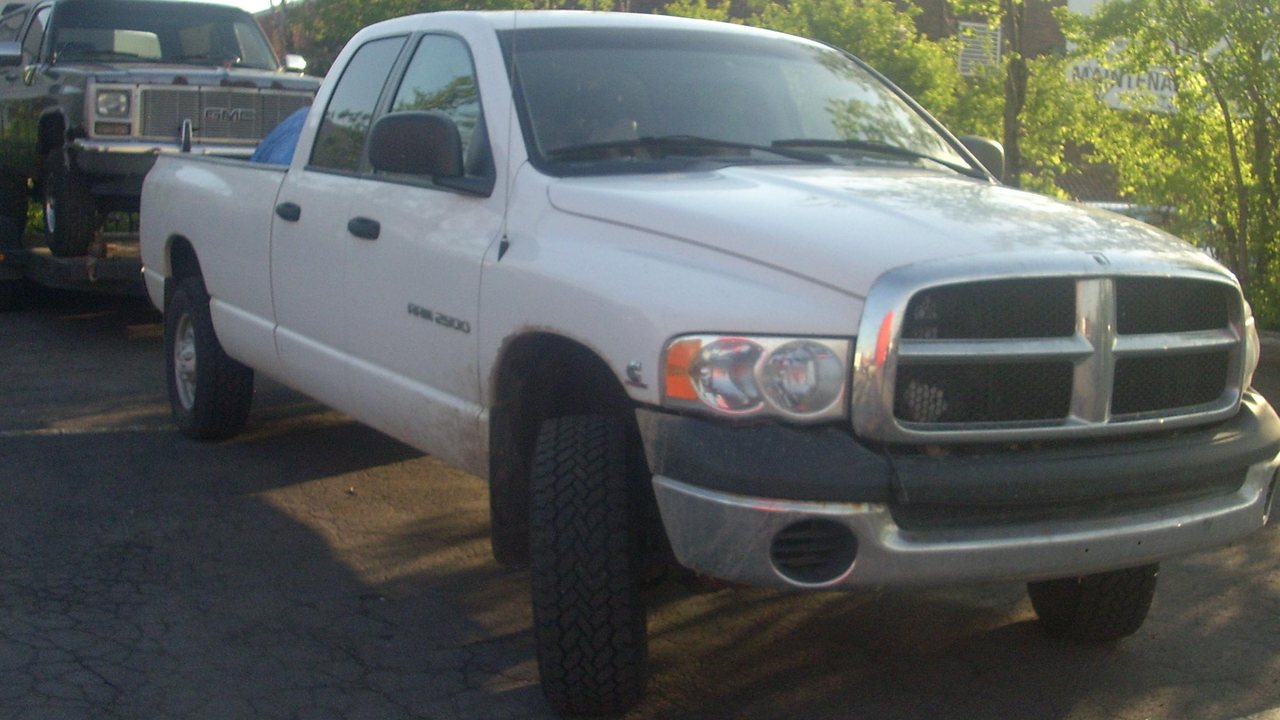
Cover: representative truck photograph; it does not identify the engine or condition of a vehicle offered for sale.
Evidence
Sources
Primary references used to verify the regulatory and technical details in this article.
- 1. Cummins: evolution of the 5.9L and 6.7LCummins Inc.
- 2. NHTSA VIN recall lookupNHTSA
Inventory
Shop trucks from this story
Next steps