
6.6 Duramax Problems: How to Read Symptoms and Repair Records
A rough start or exhaust warning is a symptom, not a parts order. Learn how to assess a used 6.6 Duramax by its exact engine and documented repair history.
The seller says the injectors were replaced. A forum says to check the fuel pump. Your inspection appointment is tomorrow. Before those details become a shopping cart full of expensive parts, make sure everyone is talking about the same Duramax generation and the same symptom.
There is no single useful failure checklist for every 6.6L truck. This guide organizes the questions that help a technician investigate a specific vehicle; it does not claim how often a fault occurs.
A starting complaint needs a timeline
Does the truck struggle after sitting, only when warm, or since a recent service? Has the behavior changed gradually or appeared suddenly? Write down the conditions and show the shop any relevant invoices.
A diagnosis should use the appropriate tests for that engine. A single injector-related reading or a video of an idling truck does not settle the condition of the entire fuel system. Ask what the measurement means in context and what additional testing is needed.
Treat previous fuel-system work as a story to verify
Find out why the work was done. Was it a confirmed component failure, a contamination event, or an attempt to solve a drivability complaint? Ask which parts were included and whether the truck returned for the same problem.
Do not assign a pump type or a repair risk to every Duramax just because it appears in discussions of one generation. Confirm the actual engine and components. Where a recall may be relevant, use the VIN lookup and dealer records rather than assuming a model-year search settles eligibility.
Exhaust warnings need their exact wording
On trucks equipped with exhaust aftertreatment, distinguish a normal cleaning notification from a service warning or reduced-power message. The GM 2020 diesel supplement explains these systems for its covered vehicles; earlier trucks can have different equipment and instructions.
Ask whether messages clear normally and whether a repair has been verified afterward. Repeated resets or code clearing do not demonstrate a fix. Have the diagnostic information preserved before service, so the shop is not starting with an unnecessarily empty history.
Cooling and transmission symptoms can decide the purchase
Unexplained coolant loss should be investigated without immediately naming a failed gasket or cooler. Describe visible leaks, residue, the frequency of top-ups, and any warning behavior. Inspection of a hot cooling system belongs with a trained technician using the correct procedure.
During a normal test drive, note unusual shifts, delayed engagement, vibrations, and changes as the truck warms up. An Allison badge does not certify the transmission's service history or present condition. Ask about the exact transmission and any previous work.
Sort what you know from what is still open
| Evidence | What it establishes |
|---|---|
| Parts receipt | A part was purchased; installation may still need confirmation |
| Detailed repair order | The diagnosis and work the shop documented |
| Follow-up inspection | How the truck behaves after the repair |
| No warning on a short drive | Only what happened during that drive |
If a seller's explanation stays vague, get an independent inspection and a written estimate before making an offer. You can accept a repairable defect when the scope and price make sense. Accepting an unknown problem at a trouble-free price is much harder to justify.
For the broader shopping checklist, use the 6.6 Duramax buyer's guide. It will help keep a desirable engine from distracting you from an expensive truck.
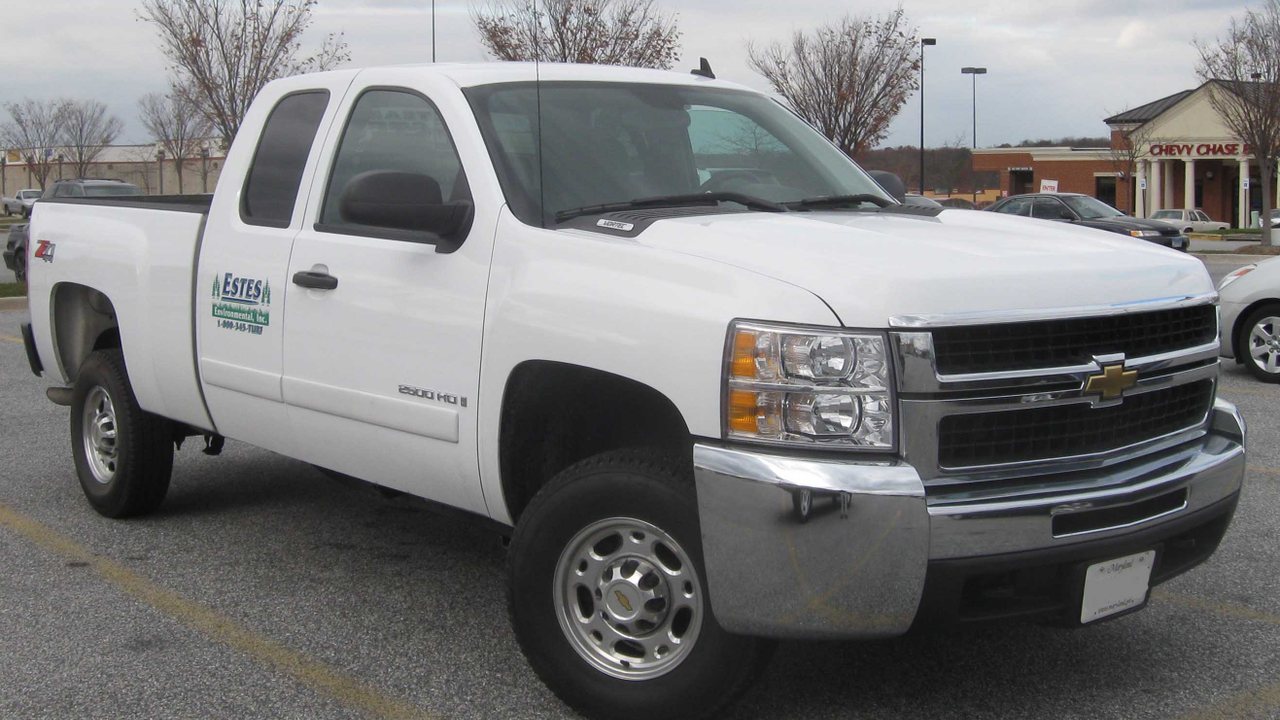
Cover: representative truck photograph; it does not identify the engine or condition of a vehicle offered for sale.
Evidence
Sources
Primary references used to verify the regulatory and technical details in this article.
- 1. GM 2020 6.6L Duramax diesel supplementGeneral Motors
- 2. GMC 2020 Sierra owner manualGeneral Motors
- 3. NHTSA VIN recall lookupNHTSA
Inventory
Shop trucks from this story
Next steps