
6.6 Duramax Buyer’s Guide: Identify the Truck Before the Deal
A Duramax listing needs more detail than displacement and an Allison badge. Verify the engine, truck configuration, service history, and condition before buying.
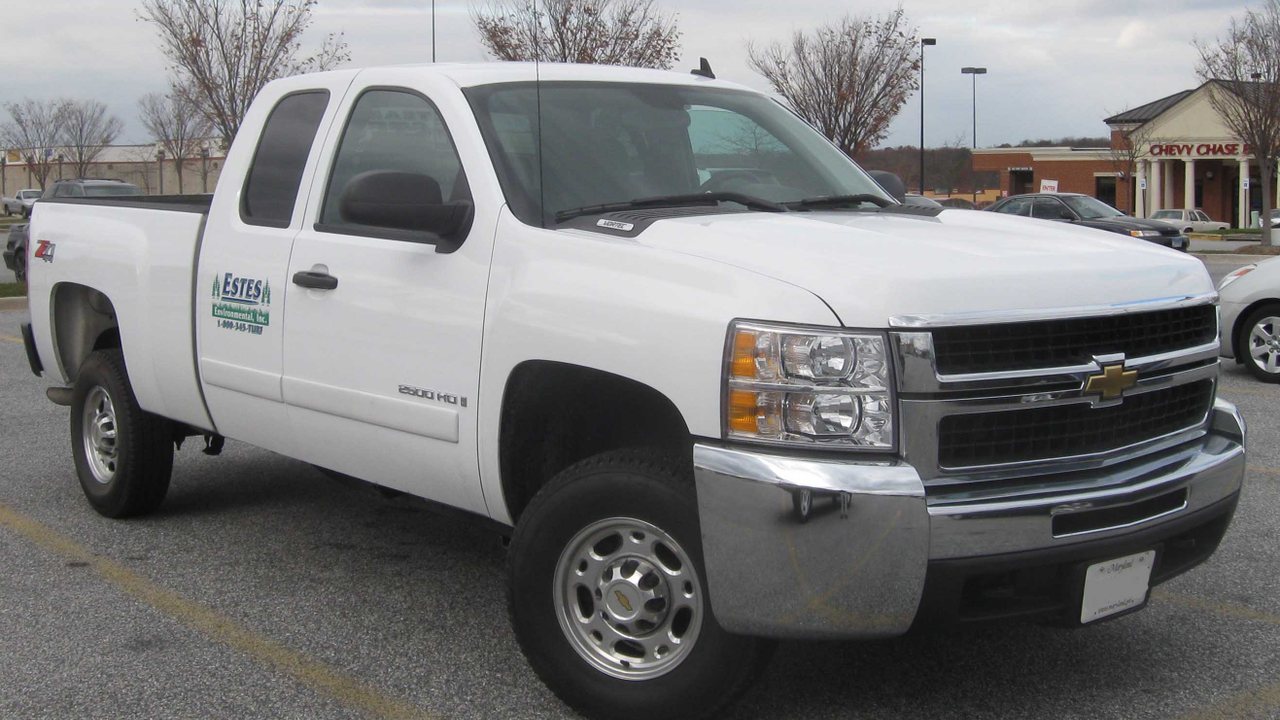
“Duramax and Allison” is a promising opening line in a listing. It is not the inspection report. The 6.6L Duramax family spans different engines and trucks, so start by identifying exactly what the seller has before comparing prices or problem lists.
This guide covers the shopping process across the family. If you have already narrowed the search to an LBZ, use our LBZ buying guide for that more specific conversation.
Confirm the engine instead of guessing from the body
Request the VIN, model year, and build information that identifies the engine. Ask a Chevrolet or GMC dealer to help confirm the engine code if needed. A badge, grille swap, or a year written in an advertisement is not enough when the truck's history is unclear.
Make sure a listing for a 6.6L truck actually describes a diesel. Displacement alone does not distinguish every HD powertrain. Likewise, maintenance advice for a 3.0L Duramax half-ton does not apply simply because the name is shared.
Compare the useful configuration
Cab, bed, drivetrain, rear wheels, axle ratings, and installed equipment should fit your load and parking space. Ask for the payload label before driving several hours to see a truck. Use the correct year and configuration to verify towing limits.
Picture an ordinary departure with your trailer: passengers seated, hitch installed, toolbox loaded, and the trailer ready for travel. Those details belong in the capacity calculation. Our payload guide explains why the engine's power is only one part of the decision.
Find out what the service indicators cannot tell you
A display showing full oil or fuel-filter life is not a receipt. Request the dates, mileage, part numbers, and relevant fluid specifications. Ask about cooling, transmission, fuel-system, and emissions repairs, then match them to the actual engine generation.
When a seller describes a major repair, look for the original diagnosis and the completed scope. “Injectors done” may be useful history, but you still need to know what was replaced and whether the complaint was resolved. A fresh part does not inspect the rest of the truck for you.
Book an inspection that includes the chassis
Arrange a cold start, a normal road test, and a scan by a shop familiar with that Duramax. Have unusual starting, smoke, warning messages, leaks, or temperature behavior investigated. Avoid accepting a diagnosis based on one idle reading or a quick parking-lot demonstration.
Then look underneath. Tires, brakes, steering, suspension, frame condition, hitch mounts, and trailer wiring can change the purchase more than a desirable engine code. A lifted truck needs its modifications assessed as installed, not valued by the original parts receipts alone.
Turn the shortlist into a decision
Check the VIN for open recalls and ask the dealer about relevant completion history. Obtain estimates for immediate work, and leave a reserve for anything the inspection could not settle. A clear history report is useful, but it cannot promise mechanical condition.
Compare Chevrolet diesel trucks and GMC diesel trucks using the same questions. Once you can explain the engine, configuration, records, and remaining work, the asking price has some context. Until then, the badge is doing too much of the selling.
Cover: representative truck photograph; it does not identify the engine or condition of a vehicle offered for sale.
Evidence
Sources
Primary references used to verify the regulatory and technical details in this article.
- 1. GM 2020 6.6L Duramax diesel supplementGeneral Motors
- 2. GMC 2020 Sierra owner manualGeneral Motors
- 3. NHTSA VIN recall lookupNHTSA
Inventory
Shop trucks from this story
Next steps