
6.7 Cummins Buyer’s Guide: Find the Right Ram for the Job
A Cummins badge is only the start. Match the Ram’s year, transmission, payload, maintenance history, and inspection results to the work you need it to do.
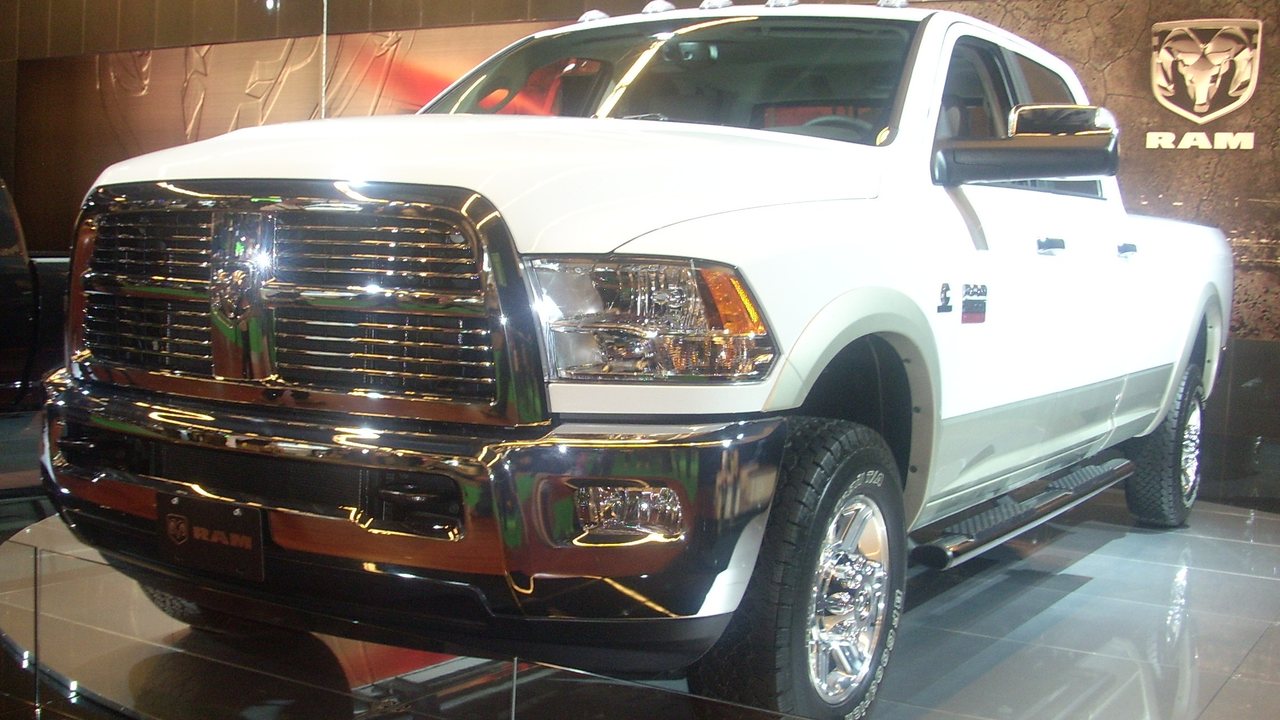
Two Ram diesels can look nearly identical in a listing and make very different purchases. One may have a clear service trail and the capacity for your trailer. The other may have attractive wheels, a vague repair history, and a payload label you have not seen yet.
The 6.7 Cummins has been through many changes. Cummins dates its introduction in pickups to 2007, so “6.7” alone is not enough information to choose parts, compare maintenance, or judge equipment. Start with the VIN and the exact year.
Identify the complete truck
Confirm whether you are looking at a pickup or a chassis-cab build, then verify cab, bed, axle, drivetrain, transmission, and rear-wheel arrangement. If the listing describes a high-output engine or a particular transmission, ask for supporting build information. Badges and a seller's memory are not the final word.
For towing, get the payload-label photograph early. Add passengers, hitch, tools, and expected loaded pin or tongue weight. A Ram 2500 and a Ram 3500 may both pull confidently on a test drive while offering different capacity for your setup. Read our payload guide before buying around an advertised maximum.
Read the repair story in order
Ask for oil, fuel-filter, coolant, and transmission records. For a major repair, read the invoice from the first complaint through the final work. That order can tell you whether the truck had one resolved fault or several unsuccessful attempts to fix the same symptom.
Fuel-system and emissions work deserve clear documentation. Request the reason for replacement, the components involved, and the mileage. Run the VIN through NHTSA and ask a Ram dealer to verify applicable campaigns and completion records. Do not treat a generic model-year recall list as proof about an individual truck.
Test the transmission as carefully as the engine
Have a diesel technician assess starting, idle, fluid leaks, fault information, and normal road behavior. Pay attention to delayed engagement, shift flare, vibration, and changes after warm-up. Describe symptoms precisely rather than deciding which component failed from the driver's seat.
Ask what the truck towed and whether it carried a tune. A modification list should include invoices and installation details, not only brand names. A claim that a transmission is “built” needs a parts-and-work description before it adds value to your offer.
Look underneath before choosing a trim
Inspect steering and suspension, brake lines, tires, frame, cab mounts, hitch mounts, and trailer wiring. A gooseneck hole tells you a hitch was fitted; it does not tell you how much the truck pulled or whether it was overloaded. Ask for the story, then check what can be verified.
Consider the next year of ownership while you inspect. Can you budget for the documented maintenance gaps? Is a suitable shop nearby? Does the truck fit your parking and daily route? A capable tow vehicle still has to work when the trailer is parked.
Make a short, evidence-based shortlist
Compare three columns: purchase price, immediate work, and unresolved questions. Obtain estimates for the second column and answers for the third. Browse Ram diesel listings, verify the engine on each candidate, and favor the truck that makes those columns easiest to explain.
Cover: representative truck photograph; it does not identify the engine or condition of a vehicle offered for sale.
Evidence
Sources
Primary references used to verify the regulatory and technical details in this article.
- 1. Cummins: evolution of the 5.9L and 6.7LCummins Inc.
- 2. Ram 2022 2500/3500 vehicle maintenanceRam / Mopar
- 3. NHTSA VIN recall lookupNHTSA
Inventory
Shop trucks from this story
Next steps