
5.9 Cummins Maintenance: A Sensible First-90-Days Plan
Use the first three months with a 5.9 Cummins to establish records, resolve defects, and learn the truck. A practical plan before spending money on upgrades.
A new-to-you 5.9 Cummins invites a parts wish list. Before adding power, spend some time learning what the truck already needs. The first 90 days are a useful planning window, not a substitute for the maintenance intervals in its manual.
The goal is to finish that period with an inspected truck, a clear service log, and a short list of remaining work. You should know more about it than you did when the seller handed over the keys.
First week: identify, inspect, and triage
Confirm the installed engine, transmission, and drivetrain. Cummins' history of the 5.9 shows why its generations should not share a single assumed maintenance plan. On a swapped truck, document the engine as well as the chassis VIN.
Find the correct owner's manual and diesel service information. Ask a knowledgeable shop to inspect brakes, tires, steering, suspension, leaks, cooling-system condition, batteries, and wiring. Resolve unsafe defects and urgent warnings before treating the truck as ready for a long towing trip.
Request three categories in the estimate: repair now, scheduled maintenance, and monitor. That makes the work easier to prioritize than an undifferentiated list of old parts.
First month: establish the missing service history
Match receipts to the actual truck and mileage. Review engine oil and fuel filtration, then coolant, transmission, axles, and transfer case if fitted. A seller's handwritten log can be useful; preserve it while being honest about anything that cannot be confirmed.
Use the required fluid specifications and procedures for that equipment. Do not borrow a modern 6.7 interval or an industrial Cummins schedule simply because both engines carry the same brand. Ask the shop to verify engine-specific inspection requirements, including valve-lash service where applicable.
Unknown transmission history should prompt an assessment and the appropriate service recommendation. It does not automatically make an aggressive flush the right first step. Likewise, missing injector paperwork is not a diagnosis requiring an entire set.
Second month: learn what normal looks like
Keep notes on cold and warm starts, fluid levels, leaks, warning behavior, and normal road manners. If something changes, write down the conditions and mileage. A pattern over several weeks can help a shop investigate a problem that disappears during a short appointment.
Avoid changing several systems at once. A new tune, fuel-system modification, and intake installation on the same weekend make a later drivability complaint harder to trace. Give the baseline work time to prove itself.
Third month: close the open questions
Review any monitored items and unfinished diagnosis with the shop. Confirm that repairs solved the original complaint. Update the next service triggers from the correct schedule and your actual use, including any calendar requirements.
Before towing, inspect the hitch, trailer wiring, tires, brakes, and the loaded combination's ratings. Being caught up on maintenance does not increase payload or towing capacity. The engine's pulling strength cannot override the truck's labels and limits.
| Keep in the log | Avoid writing instead |
|---|---|
| Date, mileage, part and fluid details | “Fully serviced” |
| Diagnosis and completed repair | “Probably fixed” |
| Specific next inspection or service trigger | “Check sometime” |
Check VIN-related recall information and discuss older campaign history with a dealer when needed. For purchase context, return to the 5.9 buying guide; for an unresolved symptom, use the problem guide. Once the basics are documented and the truck behaves consistently, you can decide which improvements are actually worth your money.
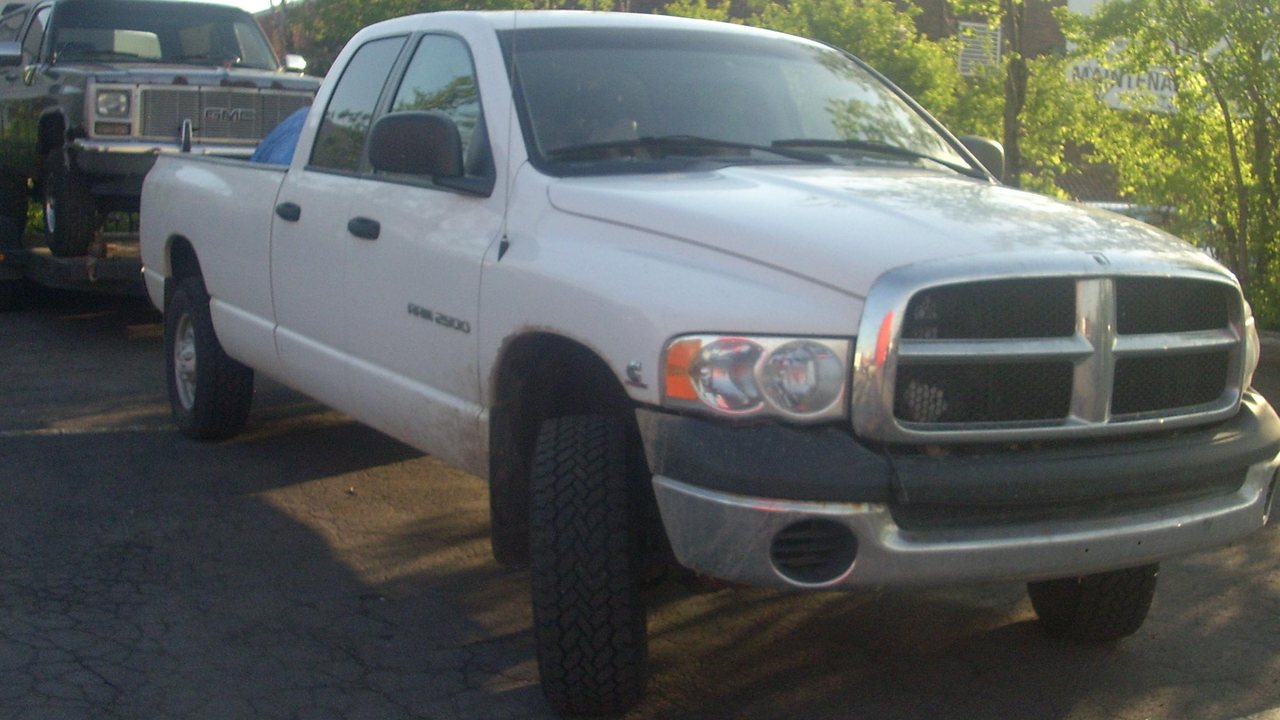
Cover: representative truck photograph; it does not identify the engine or condition of a vehicle offered for sale.
Evidence
Sources
Primary references used to verify the regulatory and technical details in this article.
- 1. Cummins: evolution of the 5.9L and 6.7LCummins Inc.
- 2. NHTSA VIN recall lookupNHTSA
Inventory
Shop trucks from this story
Next steps