
Crew Cab Long Bed Diesel Trucks: Who This Setup Is For
Crew cab long bed diesels combine passenger space and an eight-foot bed, but length, payload, towing configuration, and daily use must all fit the buyer.
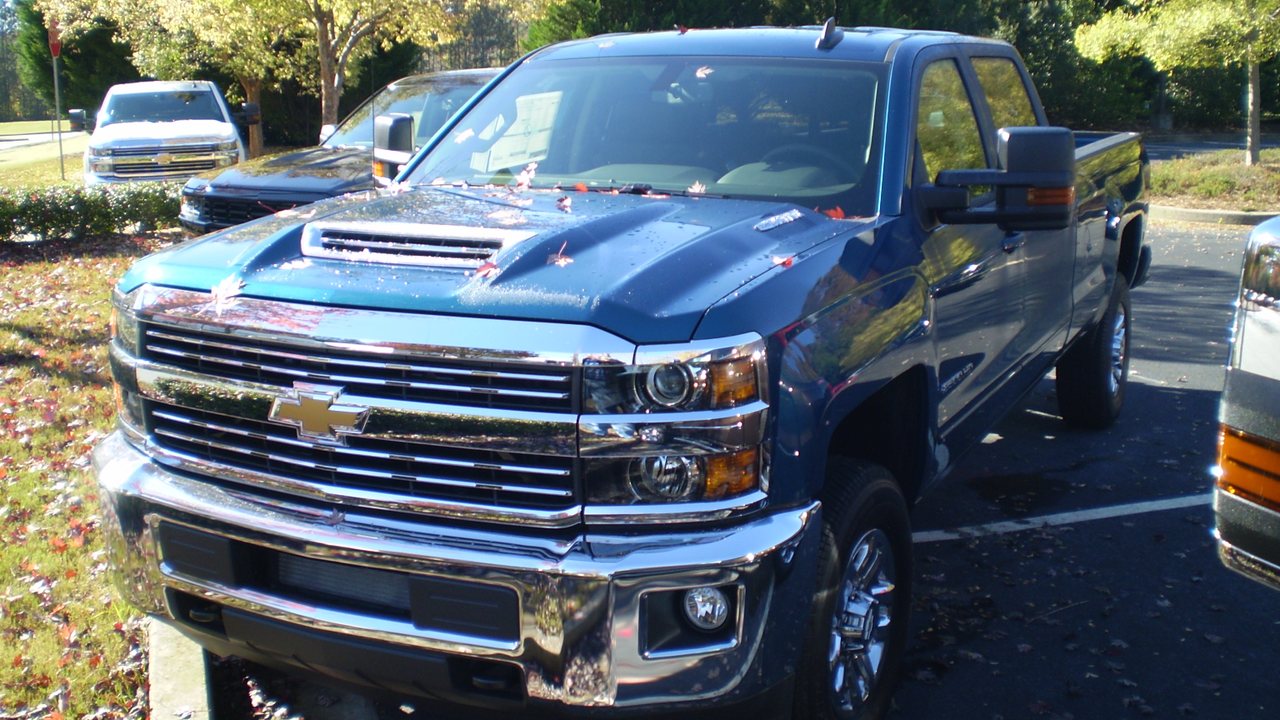
A crew cab long bed diesel solves a specific problem: carrying people and full-size cargo or towing equipment in the same truck. It can be an excellent work, farm, family, or RV configuration, but its overall length, wheelbase, weight, and purchase price can make it the wrong choice for someone who mainly parks in town.
Before shopping by appearance, write down who will ride in the truck, what must fit in the bed, what trailer you plan to pull, and where the truck must park. Then compare the actual door label and measurements on each candidate.
Cover photo: a 2018 Chevrolet Silverado 2500HD LT 4WD Crew Cab Long Box, by Rjluna2, licensed under CC BY-SA 4.0.
Decide whether you need both halves of the configuration
A crew cab is valuable when adults regularly use the rear seats, child seats must remain installed, or tools and weather-sensitive gear need locked cab space. A long bed helps when carrying long materials, a full-size toolbox plus cargo, or certain in-bed towing setups.
Those advantages are easy to overbuy. If the rear seat is rarely used, an extended or regular cab may provide enough space. If the bed mostly carries groceries or a small toolbox, a shorter bed may be easier to live with. Compare candidates in the crew cab inventory hub and long bed inventory hub, but confirm both features on every listing.
Measure the truck against real life
Published specifications are useful for narrowing a search, but equipment and body configuration can vary. Measure the actual candidate and the spaces it must use:
- garage depth and door width;
- driveway slope and street clearance;
- worksite gates, loading areas, and parking spaces;
- trailer storage and hitch approach;
- bed clearance for a toolbox, auxiliary tank, or in-bed hitch;
- turning space at home, fuel stations, campsites, and job locations.
Perform low-speed turns and backing maneuvers during the test drive. Check mirror coverage, camera operation, parking sensors, steering effort, and visibility around the bed. A configuration that feels manageable on an empty dealer lot may feel different beside a trailer or in a narrow worksite.
Read the labels before discussing payload
The model name does not establish payload, axle capacity, or trailer rating. Cab, bed, drivetrain, rear-wheel configuration, trim, options, hitch, passengers, and accessories all affect the final truck.
Photograph the certification and tire-loading labels on the candidate. Account for passengers, tools, bed cargo, hitch hardware, auxiliary tanks, and trailer pin or tongue load. Use the manufacturer’s information for the exact VIN and configuration, and have a qualified towing professional review the setup when the combination is close to a limit.
Our guide on matching a diesel truck to real towing work explains why a familiar badge is not enough.

A Ford F-350 Super Duty Crew Cab Long Bed. Photo by Oxfordian Kissuth, licensed under CC BY-SA 3.0.
Inspect long-wheelbase wear and towing equipment
Inspect the frame, cab and bed mounts, driveshafts, carrier bearing where used, universal joints, suspension, steering, brakes, tires, and alignment. Look for vibration during acceleration and highway cruising. Uneven tire wear may reflect alignment, worn components, incorrect inflation, or a history that deserves more investigation.
Examine the bed floor and rails for removed fifth-wheel or gooseneck hardware, drilled holes, cracked coatings, distorted metal, and wiring repairs. Existing towing hardware should have identifiable ratings and sound frame attachment. Missing hardware may still leave evidence of earlier heavy use.
Look under bed liners and around toolboxes or auxiliary tanks when the seller permits. Water, debris, and poorly sealed fasteners can hide corrosion. Inspect the tailgate, camera wiring, bed outlet, lights, and steps because replacement parts for heavily optioned beds can add cost.
Compare SRW and DRW without assumptions
Crew cab long bed trucks are sold with different rear-wheel configurations. Dual rear wheels can support particular payload and stability needs, but they also add width, tires, and daily-driving compromises. Single rear wheel trucks may be easier to park and use off pavement. Neither layout is automatically correct for your trailer.
Read when the extra rear tires pay off, then use the candidate’s labels and manufacturer data to verify the decision.
Crew cab long bed buyer checklist
- Confirm the cab and bed configuration from the VIN and physical truck.
- Measure garage, gate, parking, and trailer approach clearances.
- Seat the actual passengers or child seats before buying.
- Load-test the bed layout with toolbox, hitch, or cargo dimensions on paper.
- Photograph payload, tire, axle, and certification labels.
- Inspect driveshaft, suspension, steering, brakes, and tire wear.
- Examine the bed for removed or poorly installed towing equipment.
- Test mirrors, cameras, sensors, tailgate, and bed electronics.
- Price the extra tires and configuration-specific maintenance.
Choose this configuration because the cab and bed solve two real requirements, not because the longest truck looks the most capable. When dimensions, payload, trailer load, and daily parking all work on paper and during the road test, a crew cab long bed diesel can be a remarkably useful tool.
Evidence
Sources
Primary references used to verify the regulatory and technical details in this article.
- 1. 2025 Ford Super Duty F-350 XL SpecificationsFord Motor Company
- 2. 2024 Chevrolet Silverado HD Release and SpecificationsChevrolet / General Motors
Inventory
Shop trucks from this story
Next steps